
The United Arab Emirates—particularly Dubai and Abu Dhabi—features a highly cosmopolitan population comprising millions of expatriates from the UK, Europe, North America, and across the globe. Broadband connectivity is managed primarily by two state-licensed telecommunications giants: Etisalat (e&) and du.
Due to regulatory firewalls and strict telecommunications policies governing internet content in the UAE, streaming mature entertainment requires specialized technical protocols, SSL/TLS transport encryption, and total discretion.
This guide explains how viewers in Dubai and the wider UAE can safely configure media players, manage encryption protocols, and receive discrete customer support.
The UAE Telecom Environment: Etisalat (e&) and du Firewalls
Both Etisalat and du operate automated deep packet inspection (DPI) proxies that monitor unencrypted internet traffic on standard residential connections:
- Use SSL/TLS Encrypted Links: Unencrypted HTTP streams on port 8080 are frequently interrupted by automated ISP proxies. Always request our HTTPS/SSL server portal running over secure port 8443 or 443.
- Custom DNS Setup: Avoid ISP default DNS by configuring your Apple TV, Firestick, or Android box to use private DNS resolvers like Cloudflare 1.1.1.1.
- Router Level VPN / Smart DNS: For absolute peace of mind, deploying a secure VPN connection at the device level or via an encrypted GL.iNet travel router encrypts all outbound traffic.

Diverse International Catalog for UAE Expatriates
Expatriates residing in Dubai, Abu Dhabi, Sharjah, and Ajman enjoy international programming matching their native regions, including US, UK, European, and Asian mature channels with multilingual audio tracks and on-demand titles.
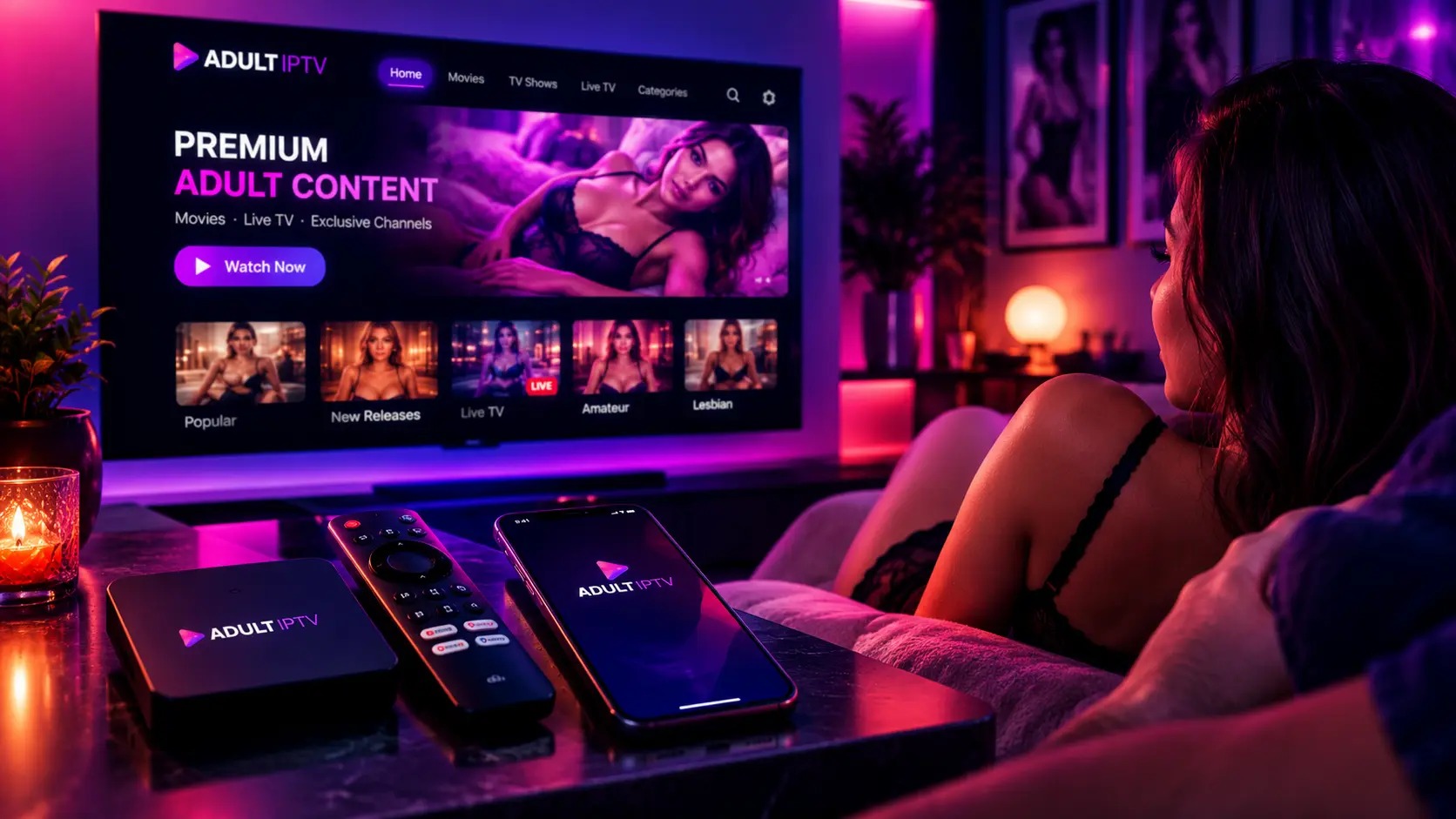
Recommended Streaming Devices in the UAE
Smart TVs from Samsung and LG are ubiquitous in Dubai luxury apartments. Installing IBO Player, Nanomid, or pairing an Apple TV 4K provides high-performance hardware decoding with local 4-digit PIN security.